

Behind the Scenes: The Collaborative Life Cycle of Custom Battery Development in a Battery Company


SHARE
SHARE

In the world of custom lithium battery solutions, taking a product from concept to mass production is never a solo endeavour. It requires navigating complex chemistry, strict safety regulations, and precise client specifications.

A successful battery pack is not a sole product but a comprehensive team effort. Every function within our organisation plays a specific, critical role in ensuring that the final product is safe, reliable, and high-performing. This is the reason why SCUD Power can serve different clients from different fields and scales.
For those curious about how custom energy solutions actually come to life, here is a look behind the curtain at the professionals driving the process.
The Simulation Engineer: Simulating the battery world in the digital world
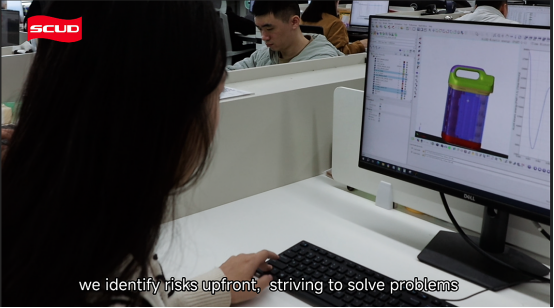
Long before a battery takes physical form, its structural and thermal performance is tested digitally. Our Simulation Engineers build complex models to evaluate how a battery will behave under various environmental and operational stresses. By relying heavily on simulation analysis, we significantly reduce the need for physical tooling modifications and costly, repetitive physical testing. This proactive approach leads to a more efficient R&D cycle and a faster time-to-market.
The Design Quality Engineer (DQE): Ensuring the safety and reliability of every battery
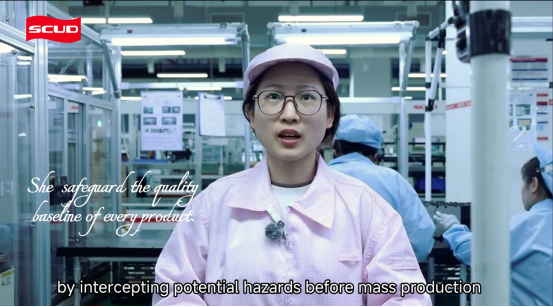
In modern manufacturing, quality cannot be an afterthought—it must be engineered into the product from day one. That is the role of the Design Quality Engineer.DQEs act as the ultimate gatekeepers of the product's integrity. They oversee the design lifecycle, manage critical milestone reviews, and validate testing protocols against rigorous industry standards. By catching potential design risks before mass production begins, DQEs ensure that the quality baseline is never compromised.
The Project Manager: Orchestrating the complexity of the product
A custom battery project has a lot of moving parts: evolving client specifications, strict regulatory standards, internal teams, and tight supply chains. The Project Manager is the thread that holds it all together. As the coordinator between internal and external resources, the project manager keeps the project moving smoothly from kick-off to delivery. They balance the core constraints of cost, quality, timeline, and scope, ensuring transparent communication with the client and cross-functional alignment within our own walls.
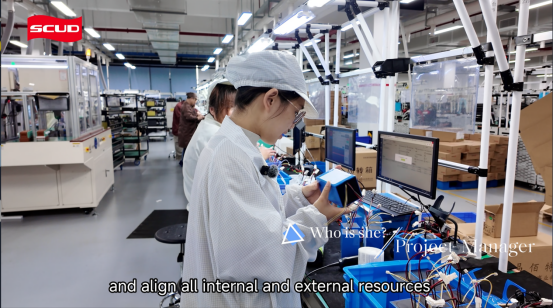
The Circuit Engineer: Designing the first line of defence
If the lithium cells are the battery's muscle, the Battery Management System (BMS) is the brain. Designing this system is the domain of the Circuit Engineer. These engineers translate specific customer needs into precise hardware solutions. They select the appropriate cells, design the circuit architecture, and establish the electrical protection parameters. Their work is critical to ensuring the battery complies with global safety regulations while delivering stable, efficient power output.
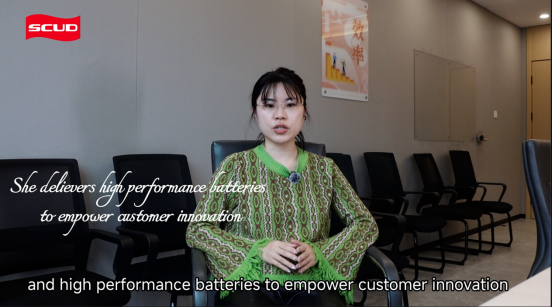
Business Unit Leadership: Driving culture and strategy
Great engineering requires great leadership. At SCUD Power, our Business Unit General Managers focus on aligning our technical capabilities with client needs while fostering a resilient, inclusive team culture. In a challenging manufacturing landscape, leadership is about clearing roadblocks and empowering teams to solve complex problems. By building an environment based on merit, inclusivity, and a deep understanding of the client's end goals, our leadership ensures the team stays focused on delivering tangible outcomes.

What makes our battery successful is not just the individual expertise of these roles, but how they integrate. The Simulation Engineer reduces risk, the DQE ensures safety, the Circuit Engineer optimises performance, the Project Manager keeps it on track, and Leadership empowers the process. All these efforts provide safe and reliable products to our customers worldwide.


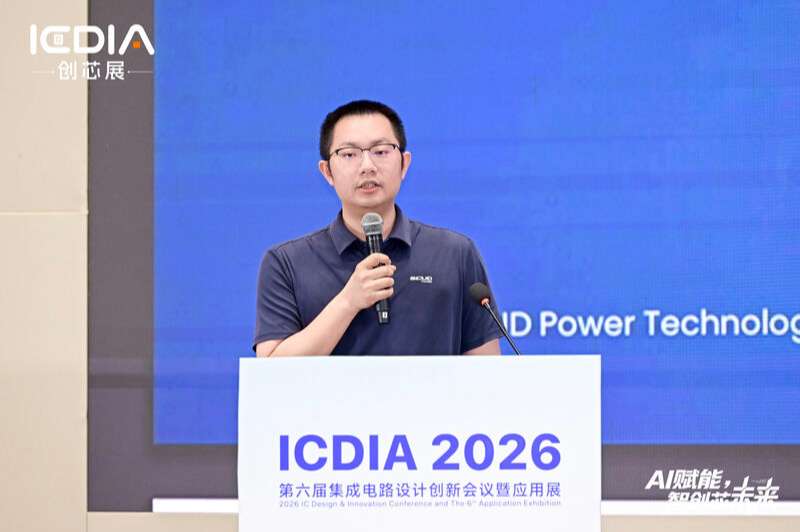
SCUD Power at ICDIA 2026: Advancing Energy Solutions for Embodied Robotics in the next era